48 million seconds of continuous operation: the long-term test of Nebatic devices is going well
Nebatic devices have now been in continuous operation for more than 48 million seconds – around 18 months: 24 hours a day, 7 days a week. This long-term test in real use shows that devices, data transmission and platform work together reliably in everyday life.
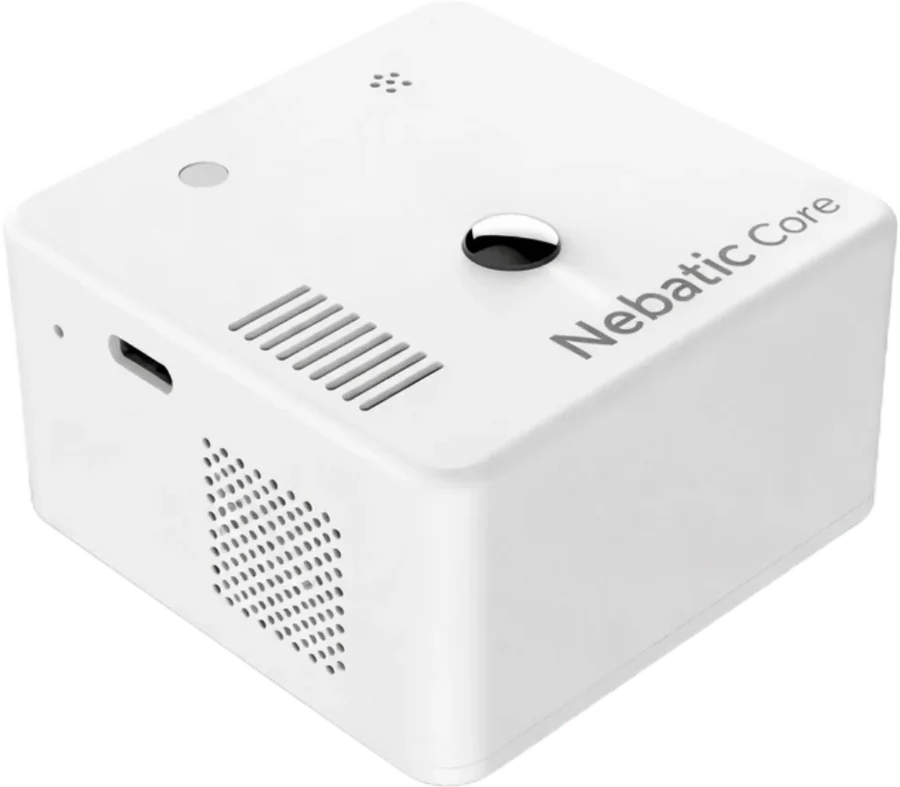
What continuous operation shows
A sensor in a lab is not the same as a device working day and night in a room that is in use. In continuous operation, what counts is whether the devices run stably for months and keep sending their readings to the platform – on weekdays and weekends, in summer and in winter.
- Around the clock: 24 hours a day, 7 days a week, since spring 2025.
- Without notable failures: The devices run stably in continuous operation.
- Many variables: CO₂, particles, VOC, temperature, humidity, light and sound are measured continuously.
In very different environments
The devices are in use in rooms that differ greatly in use, size and occupancy:
- Cinema: large rooms, many people over several hours.
- Conference hall: changing occupancy, from empty to full.
- Home: everyday life with cooking, sleeping and airing.
- Office: desk work and meetings throughout the day.
- Dance hall: lots of movement, heat and humidity.
This very variety is what makes the long-term test meaningful: every environment places different demands on the devices, the data transmission and the analysis.
What it means
Continuous operation shows that Nebatic works not only in a lab or in short demonstrations, but in the everyday life of buildings over a long time. For pilot projects, this means the devices can be put to use and deliver data continuously.
The long-term test continues. The counter on the home page shows how many seconds it has been so far.
Note: this is Nebatic’s own long-term test in real operation, not a test or certification by a third party.