Building types · Retail
A pleasant shop invites people to stay.
In retail, temperature, air and light affect both the shopping experience and the working conditions of staff. Nebatic makes differences between the sales floor, checkout, entrance and back rooms visible and supports demand-based operation.
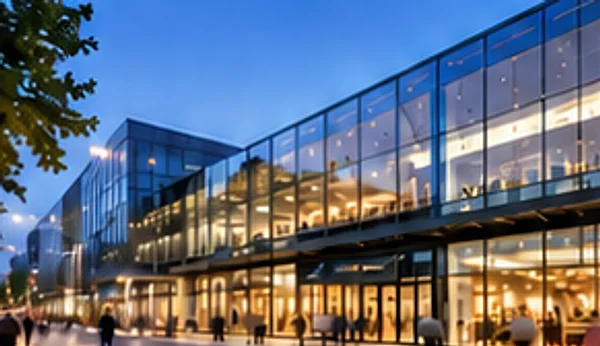
Open doors, changing footfall, long opening hours
At the entrance, cold air comes in during winter; in the shop window, sunshine creates heat peaks; at checkouts and busy areas the strain rises. Lighting and air conditioning often run for long periods – even when some zones are hardly used.
The challenge is to offer customers and staff a pleasant environment while keeping high running costs under control. A better indoor climate alone does not prove higher sales, but it is a part of the shopping experience that can be influenced.
Every sales zone deserves the right answer
Nebatic distinguishes, for example, between entrance areas, sales floors, checkouts, storage and staff rooms. Temperature and air quality trends show when and where deviations occur. Light measurements can point to uneven conditions; energy and operating data help find unnecessary running times.
Across store networks, comparable zones can be viewed side by side: which store shows recurring overheating? Where do comfort problems only occur at peak times? Which operating change improves the situation measurably?
This turns individual complaints into prioritised tasks for store and building operation.